Web design trends 2026 adapted to the Luxembourg market
At META, we have been supporting Luxembourg-based companies for several years in designing high-performing, sustainable websites aligned with the realities of the local market. As we approach 2026, web design is entering a new phase of maturity: it is no longer just about aesthetics, but about strategy, user experience, and overall performance.
In a context as specific as Luxembourg — multilingual, international, and highly regulated — certain trends take on particular importance. Here is an overview of the key developments to anticipate.
1. A more strategic user experience (UX) than ever
In 2026, design is no longer a matter of taste: it becomes a tool for conversion and trust.
High-performing websites in Luxembourg will need to:
- offer simple and intuitive navigation,
- reduce friction as much as possible (loading times, complex forms),
- clearly guide users toward action (contact, quote requests, purchases).
UX becomes a business lever, especially important for SMEs, institutional players, and service companies.
2. Mobile-first… designed for a professional audience
Mobile-first remains a priority, but with a more mature approach. In Luxembourg, a large share of visitors are:
- professionals,
- decision-makers,
- multi-device users (mobile + desktop).
In 2026, effective web design must therefore offer:
- excellent readability on mobile,
- a rich and structured experience on desktop,
- seamless continuity across devices.
3. Digital sobriety and eco-design
Digital sobriety is becoming a major trend, including in Luxembourg, where environmental considerations are increasingly integrated into corporate strategies.
In practical terms, this translates into:
- cleaner, more minimalist designs,
- fewer unnecessary animations,
- optimized images,
- lighter and more efficient code.
The result: faster, more responsible websites that perform better in search engines.
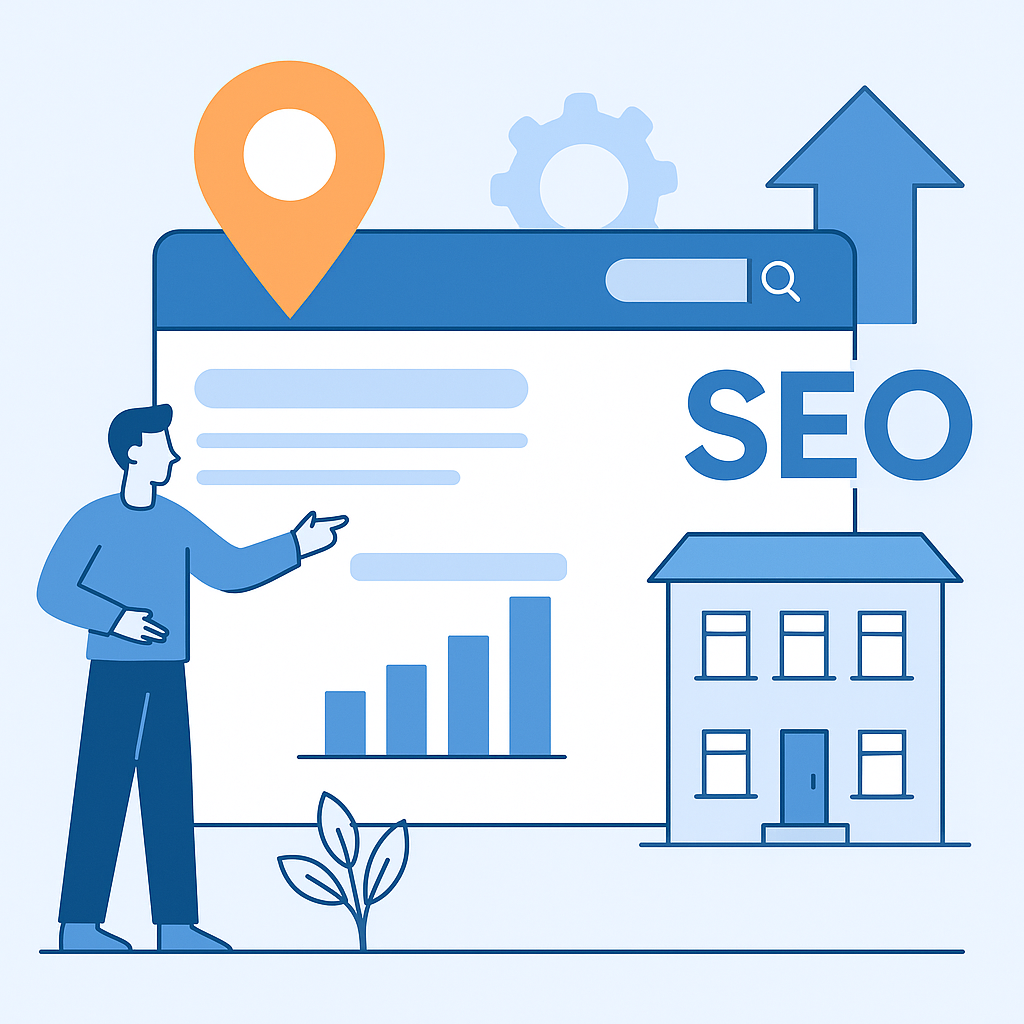
4. Performance- and SEO-driven design
In 2026, design and SEO are inseparable. Google places increasing importance on real website performance, particularly through Core Web Vitals.
An effective web design must therefore integrate from the outset:
- optimized loading times,
- a clear structure (headings and visual hierarchy),
- excellent content readability.
In Luxembourg, where competition is strong in certain sectors, this aspect becomes a key differentiator.
5. Multilingual design by default
Multilingualism is not an option in Luxembourg — it is a daily reality.
In 2026, high-performing websites:
- integrate multilingual functionality from the design phase,
- avoid improvised or confusing language-switching solutions,
- adapt content to cultural usage (FR, DE, EN, etc.).
Good web design must make language switching smooth, visible, and natural.
6. Discreet but useful artificial intelligence
Artificial intelligence is gradually becoming part of digital interfaces, but in a more subtle and purposeful way than before.
By 2026, we will see more:
- intelligent but non-intrusive chatbots,
- content personalized according to user profiles,
- navigation or internal search assistants.
The goal is not to showcase technology, but to enhance the user experience.
7. Trust as a central element of design
In a context of cybersecurity, GDPR, and growing digital mistrust, design must inspire confidence.
This involves:
- a clear information hierarchy,
- easily accessible legal and privacy information,
- reassuring visual elements,
- consistent and professional visual identity.
For Luxembourg-based companies, this dimension is essential, particularly in the financial, real estate, legal, and institutional sectors.
Conclusion
Web design trends for 2026 are not just about visual effects. They reflect a deeper evolution: the website becomes a strategic tool at the intersection of branding, performance, compliance, and user experience.
In Luxembourg, succeeding in web design in 2026 means:
- understanding local usage,
- anticipating user expectations,
- designing sustainable, high-performing, and credible websites.
At META, we design websites built for today… and made to last.
View Other Articles
Customized approaches to meet your unique business needs and objectives.